Showing posts with label health. Show all posts

Tuesday, August 13, 2013

How to Get a Rich Man and and Other Things You Might Need to Know


Today's guest is Donna Spangler, a beauty, fitness and lifestyle expert, blogger and author of "How to Get a Rich Man; The Princess Formula." But before you click off this page in disgust and think that she's undermining everything we've worked so hard for, read on to see what she means by "rich," it's better than it sounds. Donna is at work on another book and about to launch her line of Donna Spangler Beauty cosmetics. 
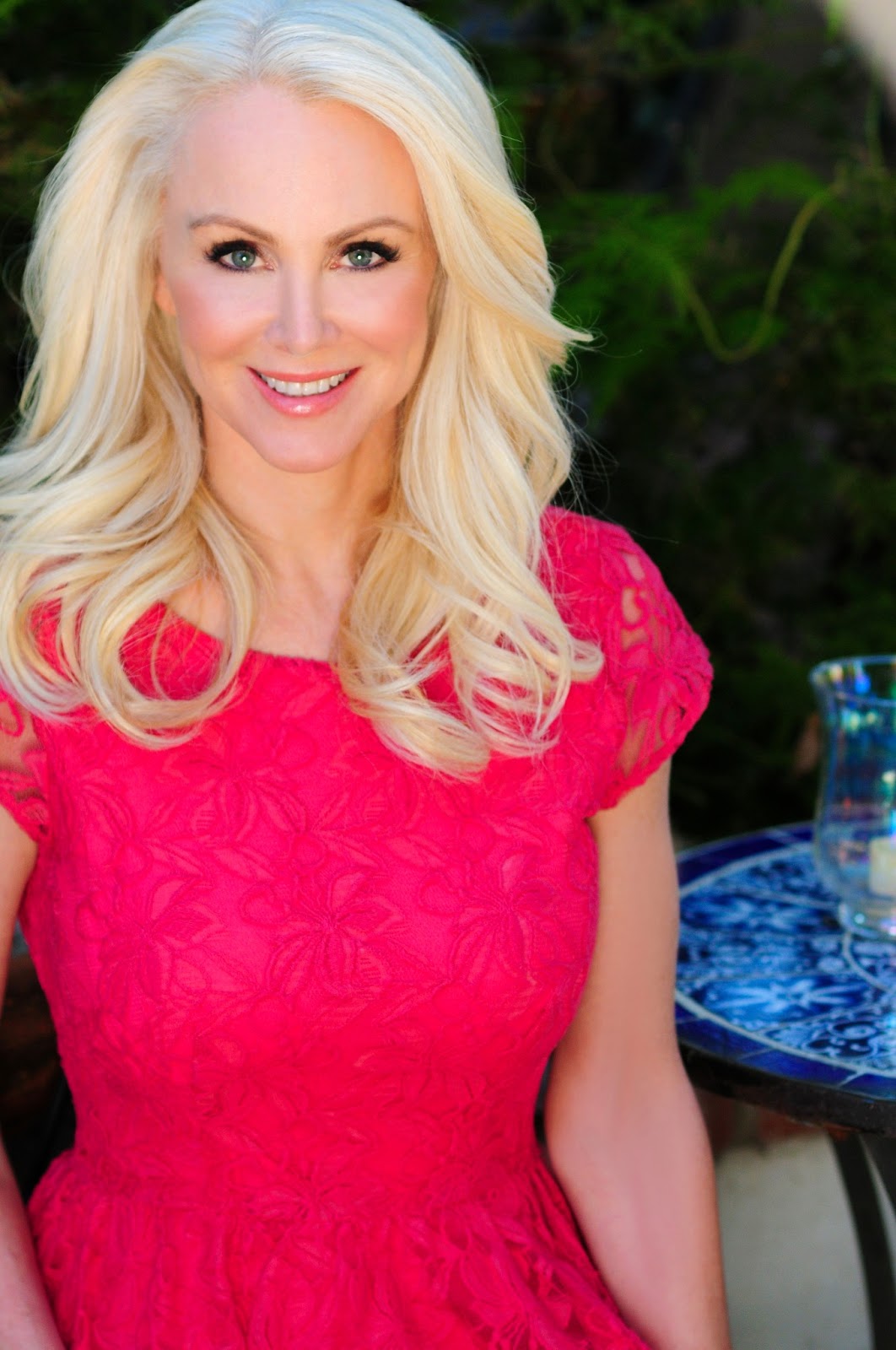
Donna Spangler
1. Finances get really complicated for couples when we're in our 40s, especially if there's a wide disparity in incomes. How can you avoid the money issue in a relationship?

Being a couple is first and foremost, a partnership.  When you commit to each other, you are committing to building a life together.  Complications with money usually occur when there is a lack of communication.  It is imperative that complex money issues are discussed with one another.  You need to both express where you each see the money going and how you feel it should be spent.  For example…Is the money going towards a vacation or towards the children’s school tuition?  You need to clearly lay out what each persons financial responsibility is and if the responsibility is fair.  Often one spouse makes more money than the other.  In this case, establish and understand that perhaps they will then carry the bulk of the financial obligations.  In a relationship, money should always be distributed in a fair and equal manner to ensure a harmonious and long relationship.  Any unfair distribution of finances will often lead to resentment and problems down the line.  The bottom line is to always lay down the ground rules of what each person expects of themselves and the other at the very beginning!    

2. You look amazing. What's your surprising secret, beyond genes, eating right and exercising?
I believe in doing everything possible to help maintain a vital and healthy body. Vitamins are very important for me.  I take them daily to ensure I am getting those vitamins that I may have missed in my diet.  I love protein shakes and I eat a ton of vegetables and very lean meat.  I exercise regularly with weights and I do Taekwondo and I make sure to get ample hours of sleep.  I drink a ton of water.  Water cleans out your body, helps promote healthy skin and it makes you feel fuller throughout the day so you don’t get as hungry.  I admit that like many gals out there, I do a little Botox here and there.  I go to the dentist regularly and I visit my hair stylist to maintain my hair cut and color.  Looking good is a heck of a lot of work.  The older we get, the more diligent we gals have to be. I’m not saying that I am trying to look like a teenager or someone in my 20s.  Don’t get me wrong.  I am just saying that as we age, keeping up our appearance and maintaining a strong body is important for our health and our mental well-being.

3. You wrote a book about how to marry a rich man. How is that different than gold digging? What else is important for women in their 40s to seek out in a mate that they might not have valued earlier in their lives?

My book, How To Get A Rich Man: The Princess Formula came out in 2007 and since then it has been translated into multiple languages.  The title is sort of tongue and cheek.  My main message in the book is for women to be the best that they can be to attract the right kind of man that is ultimately rich in heart and spirit.  If you can find one with an abundance of financial means, there is nothing wrong with that but it is not the most important thing.  Most women want a man who is loyal, loving, kind, considerate, humorous and respects them.  Finding a man with common interests and the same goals in life is important for the right chemistry.  You can find the richest man in the world but if he does not love and respect you, then he is worthless in my opinion.   

4. Anything else you think is important to know about life after 40? 

Life after 40 should be empowering!  After 40 we have finally gained so much wisdom and insight.  We should be fearless in going after all of our goals.  We should lose the fear that often traps us.  Don’t look at yourself as getting “old.” Look at yourself as getting “better” and empower yourself!  Start looking at yourself as someone who has a lot to contribute to this world.  Above all, spread your love and goodness and enjoy life’s ever-abundant journey!


Sunday, April 15, 2012

Money: How to Score a Discount at the Spa

Today's post comes from discount diva Andrea Woroch, who gives us the lowdown on how to save at the spa.

1. Wellness Week
Today kicks off SpaFinder's Wellness Week. From now through Sunday you can indulge in your favorite treatment for just $50, or at savings up to 50-percent off, along with various free events. Find out which spas and salons are participating in your area by visiting SpaFinder.com.

2. Off-peak Perks
Weekday mornings are slow for most spas and salons so you can generally find deals during the morning hours. Call ahead to find out what discounts are available and take advantage of these off-peak perks.

3. Search for Savings
Consumers cut back on luxury services during tough economic times, so spas look for ways to boost business by extending specials offers to attract old and new clients. To find these exclusive deals, sign up to receive e-newsletters from your favorite spa or follow them on Facebook and Twitter. Alternatively, you can score up to 13 percent instantly by purchasing discount gift cards to SpaFinder from sites like GiftCardGranny.com.

4. Cut the Extras
Basic services like a massage or facial can be affordable as long as you skip the extras. Spa service providers may try to bump up your bill with enticing add-ons like an extended body treatment (extra 30 minutes), or perhaps an invigorating body scrub. Though the cost of these treatments seem minimal, the fees quickly add up, especially after you factor in gratuity.

5. Get Group Discounts
Many facilities will extend discounted rates for groups of five or more on various services and treatments. Organize a Sunday spa day with your gal pals and work with a spa manager on group pricing and package deals.

6. Student Savings
You don't have to be enrolled in school to enjoy student savings. Many massage and spa schools offer great rates or sometimes even free services from their students who need to practice their skills. These are extremely affordable resources for great spa and beauty services.

7. At-home Spa
Though chemical peels are best left to the experts, there are plenty of basic services like facials, manicures and body scrubs that can be done at home. To get the full spa experience, set the mood with soothing music, scented candles and bubble bath.

###


Andrea Woroch is a nationally-recognized consumer and money-saving expert who helps consumers live on less without radically changing their lifestyles. From smart spending tips to personal finance advice, Andrea transforms everyday consumers into savvy shoppers. She has been featured among top news outlets such as Good Morning America, NBC's Today, MSNBC, New York Times, Kiplinger Personal Finance, CNNMoney and many more. You can follow her on Twitter for daily savings advice and tips.


Tuesday, April 10, 2012

Health: Why Our Eyes Change in Our 40s

My grandmother's original Bakelite frames. She had it going on! 
I distinctly remember the first time I could see clearly. I was 10, and I stepped outside the optometrist's office on Lexington Avenue and saw that buildings had edges. They no longer blurred into the sky like a smudged painting. The city looked like pictures in books, and on postcards! It was a kind of elation, akin to a first taste of flourless chocolate velvet cake, or a first orgasm, or a first roller-coaster ride.

Every single day of my life since then has been helped with glasses or contacts in order to see more than 4 feet from my face, but I'm incredibly nearsighted, and can read you everything on a penny 2 inches from my eyes. I took solace in this and considered it a kind of superpower.

However. A few months ago I realized that I have to hold menus further away in dim restaurants. I can't cuddle down with a book wearing my contacts. And I have to sit exactly so in order to see my computer screen. So I visited my incredibly earnest and wise eye man, Dr. Korth.

He rummaged through lens combinations and asked me to read excerpts of Benjamin Franklin's biography in small and large type. He painstakingly flipped lenses back and forth to see which worked best. And he finally announced that indeed, as with many of us in our mid-40s ("40licious," I corrected him) as my far-away vision is sharpening, it's sacrificing my close-up vision. "Perhaps this is a holdover from cave days ... if I can't run as fast, I'll need to see better?" I wondered.

He made a proclomation as he handed me a set of new lenses to test. "You might have to give up some of your overall long-vision power in order to see better close up."

Which makes perfect sense, in so many ways. Sometimes we need to let go of the very long-term focus so that we can really see what is right in front of us. Right now.


Monday, January 9, 2012

Relationships: Lucy the Dog Part I

The first time I saw Lucy was in the spring of 1998. She was on a sliver of shoulder on a twisty road. One wrong step would have sent her down a sheer cliff to the frigid waters of Discovery Bay on Washington's Olympic Peninsula.

I slowed down to get a better look at this sleek, quick mutt, a cross between a beagle and a hound. Pretty. Redheaded. But there was no place to pull over for about a mile and when I finally did, I couldn't find any trace of her.

I'd had it in my mind I needed a dog, being an Annie Oakley type all alone in my cabin off the grid in the woods. I wanted a dog who would bark at strangers, retrieve endless tennis balls thrown on the beach, and warm the bed when the small cast-iron stove burned up all its wood.

A month later I went to the pound and lo, there was that same dog from the road. She'd been picked up a couple miles from where I'd seen her. They gave her a name -- Popcorn. For a really good reason. She was super spazzy and just wouldn't be still, jumping around the pen, trying to lift off and take flight when she was on a leash.

Nobody wanted her, she was cute but just too hyper. The pound folks kept her alive much longer than they were supposed to, hoping that someone in need of an uncouth, unschooled 9-month-old puppy with the deepest brown eyes you'd ever seen would need her. They'd waited for me.

I brought her home to my little cabin in the woods, and introduced her to the other residents, cats called Puck and Ajax. The first night we settled down by the fire with Cabernet and rawhide, and she happily drifted to sleep. In the morning I came down from my loft bed and woke her up. She jumped with a slight start, furiously wagged her tail, broke out into a huge doggie smile, and peed a little with excitement. It was, truly, the first day of the rest of our lives together.

I rastled with her wilddog stubborn mind, and we finally came to a compromise on obedience training. That anything she did at my command had to appear as if it were her own idea. She'd hear "come" or "sit" or whatever, look up into the air as if she were contemplating her next move, and then act in her own time. Eventually.

She never fetched one thing her whole life and greeted all strangers (even a burglar) as if she were running for mayor and could she please have their vote. She has always been the best spooner I know, however.

These past couple weeks Lucy's had it rough. She has a tumor growing in her abdomen. It makes it hard for her to pee at her own will, which is humiliating to this dog who had been known to hold it for up to 10 hours on a sailing trip through the San Juan Islands. She has gloppy masses on her body that break open and ooze. Tonight she was on the leash and fell over on her side as her hind legs seized up.

I called the vet and asked what we should be doing, and she suggested a prescription for an anti-inflammatory that might help her swelling and curb the pain.

"One month's worth?" she asked.

"Make it two."


Tuesday, September 13, 2011

Health: How Bio-Identical Hormone Replacement Therapy Works

Today's post is from Dr. Michael L. Gross, MD, medical director of the Active Center for Health & Wellness and orthopedic director of Sports Medicine at Hackensack University Medical Center. Because of his interest in preventative medicine, he is currently enrolled in a fellowship in anti-aging and restorative medicine and is working toward board certification form the American Academy of Anti-Aging Medicine.


Dr. Michael L. Gross
As people age, their hormone levels decrease and cause an imbalance in the body. This imbalance causes changes in the body that we attribute to aging such as weight gain, hair loss and fatigue. This decrease in hormone levels also plays a large role in perimenopause, menopause and postmenopause, which effects, on average, women between the ages of 45 and 55. During menopause, a woman’s body produces less estrogen and progesterone, thus throwing the body’s hormones out of balance and producing symptoms such as hot flashes, night sweats, loss of libido, mood swings, fatigue, hair loss, sleep disorders, anxiousness and memory problems.

Over the last 50 years, there has been an impressive amount of evidence that has revealed the vital connection between declining hormone levels and the occurrence of diseases associated with aging such as heart disease, the leading cause of death in women ages 65 and older, and osteoporosis, which affects more women than men.

More attention is being paid now to treatments that are integrating mental wellness and healthier lifestyle choices. One such treatment is Bio-Identical Hormone Replacement Therapy (BHRT), a therapy that replenishes the hormones the body has lost, restoring balance and well being, while enhancing the body’s energy and vitality. Bio-Identical Hormones, molecule-by-molecule, are exactly the same as the hormones normally present in the human body and the therapy is all natural.

BHRT can help to improve the symptoms associated with perimenopause, menopause and postmenopause, in addition to Premenstrual Symptom (PMS) and Premenstrual dysphoric disorder (PMDD). Benefits of BHRT include improved hair, skin and nails, enhanced mental functioning, improved sexual energy and desire, improvement in mood, increased bone mineral density, better response from the body to diet and exercise, as well as decreased incidence of breast cancer, heart disease and strokes. Women who experience hormonal imbalance, whether from PMS, menopause or the overall aging process, can all benefit from BHRT, both with improvement in symptoms and preventing age-related diseases from progressing.

Women interested in finding out more about BHRT or starting therapy should contact a medical doctor specializing in anti-aging medicine to set up a private consultation. During this time, the doctor will take the patients health history and perform a series of blood, urine and saliva tests to determine their hormonal and nutrient levels. After the patient’s analysis is complete, a customized program is created and a specific arrangement of hormone medication is ordered for the patient. Every three months, the patient should be re-tested to access their progress and monitor their medication levels, which can be altered for optimum results.

Friday, July 8, 2011

Relationships: Who's Got Your Back?


Yesterday I took a few hours off from the most adorable child in the universe to visit one of my favorite LA spots, Wi Spa, a traditional Korean bathhouse. After soaking in various hot tubs and resting in rooms heated to 135 degrees or more, I got the scrub. For those who have never had the unique pleasure: For $30, a woman wearing only a black bra and panties will use a rough webbed glove, which we will call the Mitten from Hell, to exfoliate your skin. Every single inch of it as you lie on a vinyl covered table, watching the dead skin roll off with each pass of the Mitten. You emerge, new and soft and clean and ready to take on your life again.

There are babies and grannies and everyone in between at these places. As I was lounging in a tub, I noticed pairs of old women helping each other in and out of the pools and saunas, and taking turns scrubbing each other with their own personal Mittens from Hell. I made a mental list of potential girlfriends who would trade back scrubs with me when we are 70licious.

If you ever want to know who is in your largest circle of friends, have a life event -- a wedding, a baby, a major illness, that kind of thing. But if you want to know who your dearest circle is, imagine who is most likely to scrub your back when you are 75, when the babies are off and gone, when the wedding pictures have faded, when the illness has left its faint scars.


Wednesday, June 1, 2011

Relationships: Women in Their 40s Have More Orgasms

Fake it 'til you make it, baby!

As if you needed another reason to be grateful for your 40licious years, a roundup article on orgasms in EmpowHer give us this: "Orgasm gets better with age. ... the quality and frequency of orgasm may actually improve with age. While 61 percent of women ages 18 to 24 experienced orgasm the last time they had sex, 65 percent of women in their 30s did and about 70 percent of women in their 40s and 50s did.”

Have you had yours today?

Sunday, May 29, 2011

Spirit: Naomi Wolf Busts the "Aging Myth"

"I know — finally — what I like to wear and am comfortable not bothering with what I don’t. I love not being in physical competition with other women. I love being able to appreciate the beauty of other women and feeling appreciated myself — and appreciating myself."-- Naomi Wolf

Naomi Wolf is the embodiment of 40licious, and sums it up in her Washington Post story. Photo: Washington Post

I can't recall being any great beauty, any time in my life. Except maybe a window at about 3 years old when my mother dressed me up and got some charming headshots taken of me in a dress and a hat with elephants painted on it. I was a little blonde with an updo.

Then a tomboy and after that an awkward teen with the absolutely wrong curly hair for the coveted Farrah Fawcett feathering. I spent my college years tromping around in a tiny skirt and Betsey Johnson lycra tank top with red roses all over it, bartending and waitressing. I don't think I'd call that beautiful. But in my 20s Naomi Wolf brought us "The Beauty Myth," a tome on the skewed perception and creation of American beauty. She validated my simultaneous rejection and craving for ideal beauty, and informed the rest of my life. I scoffed at women who were too "done" as I lived out part of my 30s in a cabin in the woods, in a uniform of jeans and Timberlands and a huge green wooly sweater stolen from an Irish boyfriend, and then would go to the salon and spend half my meager earnings on getting my hair done.

Now at 40licious, I'm not feeling the pull to start with the Botox shots. Yes, I'm slightly aghast when I see a picture that shows crinkle lines around my eyes, or the indomintable poof around my waist. (I think I've trained myself to not see these things in the mirror, holding my face a certain way, or positioning my body just so.)

And here's Naomi Wolf again, this time in the Washington Post, summing up the 40licious credo: We've learned and earned our way to the sweet spot in our life, and we're still hot. In her piece, she talks about how we were all so worried about becoming invisible, marginalized, pushed aside by newer younger blonder versions of ourselves. But it didn't happen. It didn't happen because we take care of ourselves. Because we went out and did interesting things and blazed our own paths. Which made us more attractive than any series of Botox injections could. And instead of being in competition with the 20somethings, we'll help move them along to become amazing 40licious women like us.

Naomi, I hereby induct you into the 40licious Hall o' Fame for how well you put into words what we're thinking. Thank you for all you've done, all you do, and all you will do.


Friday, April 29, 2011

Health: More Magazine Founder Speaks on Surviving Cancer, and Her 40s

I found a lovely blog, Breast Cancer Sisterhood, in which the author interviews a founding editor of More Magazine, Lois Joy Johnson. The piece is a nicely crafted perspective on health and beauty and what it all means after a cancer diagnosis.

"Cancer really rearranges your priorities. It makes you grateful for good health and encourages you to take care of yourself so that you’re healthy going forward. It’s great to look beautiful. We all want to be forever sexy and attractive. We’re the first generation of women in our 50s and 60s who look this way," Johnson says in the interview.

Johnson is 50licious, but she's got some great advice for those of us in our 40s. If we want to evolve in better shape, with more grace, fewer wrinkles and a touch more wisdom, we'll listen to her.


Monday, April 25, 2011

Health: Do Something Physical Every Day

Back in the day, when I was more concerned about how we look than how we feel. (Photo: Seattle P-I)
When I was in my 30s, I made a career out of defending women's "real" bodies. You know, the ones we see in the mirror but never on TV or in a perfume ad or a magazine. I wasn't as concerned as how we looked or felt as what the American perceived version of beauty was. The most effective weight loss I knew was to have a massive, painful breakup with a guy who ended up moving right next door. Every time I looked out my kitchen window into him, I felt ill. I dropped two sizes.

Now at 40licious, I'm more highly attuned to what goes in -- and stays on. I cut out alcohol and have all but nixed sugar (except for my slavish devotion to Ben & Jerry's Cherry Garcia frozen yogurt). I know exactly how I will feel if I go ahead and have the Eggs Benedict. It has taken me a lifetime to learn to do something physical every day. For me, it's either yoga, an hour in the gym, or a power walk with two dogs (benefit! Tired dogs are good dogs). When I don't stick to this, I get wonky. I find faults with how my husband Steve (and pretty much everyone else) is conducting his affairs. My desk is messy. I'm more distracted at work.

When I do commit to doing something every day, life gets a little more manageable. I'm a nicer person and more efficient. And I look a tiny bit foxier in my jeans.

Feeling like you don't know where to begin? Lance Armstrong's Live Strong Foundation has some recommendations for 40lcious people like us.


Friday, April 15, 2011

Health: Kathy Smith on How to Lose Weight and Get Fit over 40

"The one thing you don't want to do is set yourself up for failure with an immediate 'go for broke' attitude right out of the gate. Remember: slow and steady wins the race."-- Kathy Smith

So a recent survey that has gotten a lot of attention in the UK and Indian press showed that women in their 40s have mirror angst. The majority don't like what they see. Maybe we're too hard on ourselves. Or maybe we just can't accept that "the same person can't step in the same river twice -- she changes, and the river changes." Whatever the case, we know that even if exercise isn't suddenly transforming us into the impossible, it makes us feel better, and it makes us healthier.

Today's wise words come from 60licious fitness icon (and "Babe" fragrance spokesmodel) Kathy Smith. She's got a new video out called "Ageless with Kathy Smith" and some good ideas about how to get back in the game if you've been out a while.


1. What's different about exercising when you're over 40 than when you're in your 20s and 30s?
Starting around the age of 30, we begin to lose muscle mass - a process I call "The Great Decline" - and that leads to a whole host of issues, from arthritis to back pain to (you guessed it) weight gain. The key to slowing - or even reversing - the "great decline" is strength training. So regardless of our age, we always need a balance of cardio, strength, and flexibility training - but after we hit 40, the need for strength training becomes greater than ever.

2. What's the best way to start a regimen if you've been sedentary and out of shape?

photo credit: Acacia Lifestyle
The one thing you don't want to do is set yourself up for failure with an immediate "go for broke" attitude right out of the gate. Remember: slow and steady wins the race. Start with a 15-minute walk, and then add 5 minutes to your walk every week. The same goes for strength training: Start off using your own body weight and lighter weights, and build up. The key is to find something you enjoy that fits your personality: Dance classes, swimming, hiking. And there's always strength in numbers - find a friend to serve as your gym partner or walking buddy. You'll keep each other motivated and accountable.


3. Is it possible to be a hardbody over 40?

At my age, people in their 40s seem like youngsters! But yes, you can have a hard body (Demi Moore and Madonna are certainly evidence that it's still possible!). It's more challenging as we age, but still doable. It takes a certain level of discipline, and of course some luck in the genetics department. But I try to help people focus not on how "hard-bodied" they can be, but how healthy they can be.


Monday, April 11, 2011

Health: Does Your Money Go to Botox, Designer Shoes or a Mammogram?

Barbara Bellman
Today's post is from Barbara Bellman, an author, lecturer, consultant and marketing coach who has made it her business over 30 years to take the pulse of women. Her work in that arena has resulted in two leading reference books on gender-specific marketing: Reaching Women: The Way to Go in Marketing Health Services and Hitting the Right Nerve. She is also the author of Flirting After Fifty: Lessons for Grown-up Women on How to Find Love Again.


Today, she hosts informal focus groups of women across the U.S. to gather their candid assessments of lifestyle, medical, sexual, caregiving/senior, financial, existential and career issues. This work is sponsored by Pace Advertising, a wholly owned subsidiary of the worldwide WPP Group.


I’ve become a professional eavesdropper – crisscrossing the country to listen in on conversations among women. Why? Because there’s so much to be learned about how they think and feel from their candid conversations with other women. I admit to enticing them to join their peers in conversation with champagne and chocolates and a congenial setting. But, in truth, they don’t need much provocation to take on a host of burning issues for women, from healthcare and finances to romance and care-giving.

Most recently, I hosted a group of women in their forties in Southern California, where we discussed the subject of healthcare and specifically, mammograms. These were college-educated, middle-class women. 15 percent were unmarried; 85 percent were married with children. They were healthy and surprisingly nonchalant about the risks of breast cancer, regardless of whether other female members of their family had been afflicted or even died of the disease.

Even more surprising, most were willing to forego getting mammograms and other screenings if it meant sacrificing the purchase of something that made them look and feel good now. Why get a mammogram (both potentially an unpleasant expense and experience) when you can buy a pair of Manolo Blahniks or Jimmy Choos that add five inches to your height and show off your calves? Why submit to a sonogram with no immediately visible benefits when a Botox treatment can erase those creases in your forehead? This brings into play the age-old issue of want versus need, and desire versus fear. The women want to look better, younger and more attractive, rather than know if there is a medcial problem.

It’s hard to understand that any woman could be cavalier about her health. Perhaps the medical community and advocacy groups have done too good a job of assuring us that breast cancer is a “treatable disease.” They’ve successfully allayed the fears of the women in my group. Or perhaps this is simply a day and age (thanks to the Great Recession and the rapid succession of natural and man-made disasters around the world) when life feels precarious enough without the threat of medical problems. The quest for relief, it seems, is paramount – the kind best satisfied by a little retail and cosmetic therapy.


Wednesday, March 30, 2011

Health: Walnuts Contain High Amount of Antioxidants

When it comes to antioxidants, you can go nuts. Walnuts, specifically.

A study revealed at the Natioanal Meeting & Exposition of the American Chemical Society showed that walnuts are better for you in the antioxidant department than any other nut. Part of the reason is because they are usually eaten raw before roasting can erode the health benefits, unlike most other nuts.

We're not supposed to worry about the fat, either, because it's the good kind. Apparently you can do with about seven walnuts a day for the health benefits. A story in Science Daily remarks: "As for the calories, eating nuts does not appear to cause weight gain and even makes people feel full and less likely to overeat. In a 2009 U. S. study, nut consumption was associated with a significantly lower risk of weight gain and obesity."

And I know you're going to ask, so I'm just going to say it: Of course you can wrap chocolate chip cookies around your walnuts to help them go down a little easier.

You can read the full Science Daily story here.


Monday, March 21, 2011

Health: Telomeres Affect Aging (and Exactly What Is a Telomere Anyway?)

Telomeres and Aging
By Wendy Hanlan
This post originally appeared on WendyHanlan.com


Okay, what is all the buzz about telomeres? I’m hearing that the research they’re doing on telomeres is going to completely change the anti-aging industry and the products that will be available to us. Am I interested? A resounding YES! I’ve decided to do some research on the subject of telomeres and aging and this is what I found out.

The scientific definition of telomeres: they are non-coding sequences of repetitive DNA at the end of chromosomes that are linked to human lifespan. The research that is being done right now, is all about seeking natural compounds that will turn on expression of telomerase, an enzyme that restores the length of telomeres.

Keeping telomeres long by reversing age-related shortening can potentially slow the onset of poor health and increase human lifespan. Watch the following video for a more in depth look at telomeres.

However, as we await the latest developments in anti aging strategies such as inducing telomerase activity, there are a few lifestyle changes we can make to slow down telomere shortening as much as possible.

Dr. Andrews, a molecular biologist who has studied aging at a molecular level for more than 15 years, shared seven of the best known ways science knows of now to slow down telomere shortening to live longer:

1. Don’t ever smoke. Smoking is not only hazardous to your lungs and cardiovascular health, but is also found to increase rate of telomere shortening, which can lead to dysfunction and instability of chromosomes.
2. De-stress your life. The more stress you have in your life, the greater risk of increasing the rate of telomere shortening and aging more quickly. How to slow it down? As simple as it might sound, the key is to always have a positive outlook on life. Plus, enjoy a vacation once in a while, enjoy friends and social activities, receive plenty of sleep every night, and try meditation.
3. Exercise regularly. By increasing amounts of physical activity, especially intense physical activity, research shows you could keep your telomeres long and healthy, even buffering the effects of chronic stress.
4. Get your antioxidants daily. When high amounts of free radicals attack cells (causing oxidative stress), they leave no stone unturned making chromosomes and their telomeres vulnerable to shortening. You can best protect yourself by getting plenty of antioxidants in your diet from eating fruits and vegetables daily and supplements.
5. Never go without fish oil. Fish oil contains long-chain omega-3 fatty acids that are well-known for being healthy to the heart, but recent evidence has shown that increasing amounts in the diet is associated also with slowing telomere shortening over time. You can get enough by eating fish a couple of times per week and by supplementing with long-chain omega-3s daily.
6. Get enough of the “sunshine vitamin.” Several discoveries have made vitamin D the most popular nutrient of the decade because of its many benefits including an association with longer telomere length. You can make sure you’re getting enough by practicing safe sun exposure and supplementing with vitamin D daily.
7. Practice safe weight loss. Maintaining a healthy weight is important to keep telomeres long.

What have you heard about telomeres and aging? Post your comments!

Wednesday, March 16, 2011

Health: Detoxing Your Home Can Make You Worried Sick

Today's post comes courtesy of Women's Health Magazine


Do You Have a Detoxifying Obsession?

By Linda Formichelli

It all started, innocently enough, with the dryer sheets a few months ago.

While they might make your laundry smell like a summer day, I had just read that the flimsy leaflets actually coat your clothes with a thin layer of toxic chemicals. As a health writer, I regularly come across a fair number of startling facts about contaminants, but this time was different: I had an infant in the next room. I threw our box of dryer sheets in the trash that day.

Problem solved. Until I read about dust.

A little online searching revealed that not only is common house dust loaded with noxious particles and allergenic dead bug bits like dust mites (eww), but the cleaning solution used to wipe it up could cause just about every ailment known to mankind (breast cancer, diabetes, memory impairment…oh my!). And then there were our bedsheets and towels, all crawling with germs that could be killed only by bleach—the same bleach that could lead to respiratory problems. What's more, wearing your sneakers indoors tracks dangerous pesticides (and other nasties you pick up outside) through the house.

So I banned chemical-laden cleaning products, made guests remove their shoes at the door, and launched an all-out assault on dust and dirt. Soon what little free time I had was spent vacuuming toxins off the lampshades. All worth it, I figured, to keep my family safe from crippling illnesses and premature death.

Of course, feeding them was another challenge entirely. I began paying double for organic, pesticide-free produce and hormone-free milk. Free-range chicken at the co-op set me back $9 for three small halves. But even as these changes lightened my wallet, they did nothing to ease my mind, because the threats were piling up faster than the laundry. One week it was the electromagnetic-frequency-emitting cell phone I used as an alarm clock; the next, the baby monitor. After I'd banished both, I still found myself lying awake at night, plagued by worry.

Unhealthy Extremes
It was money that finally brought me to my senses. Not the small fortune I was shelling out for elite food and eco-cleaners, but the actual greenbacks themselves. A new study trumpeted that bills are tainted with bisphenol-A (BPA), which, according to the National Toxicology Program, can have negative effects on "the brain, behavior, and prostate glands in fetuses, infants, and children."

With that news, I was done. It made no difference how many hours I spent researching dangers, naturally disinfecting surfaces, arguing with my laidback husband (who insisted I was driving myself crazy over nothing), and fighting the world's worst case of static cling. I couldn't quit cash.

Surprisingly, instead of feeling defeated, I felt free. I realized I couldn't be expected to purify every aspect of my family's life. News headlines emphasize life's dangers and then tantalizingly offer solutions for ridding your home, your food, and your body of contaminants. I'm not the first to be sucked in by those claims—or hopelessly confused by them. Just to be sure, though, I called a few experts for a second opinion.

"'Detoxing' can become a coping skill that's used to gain a sense of control when life feels overwhelming," says psychotherapist Julie Hanks, M.S.W. In other words, you may not be able to control stock-market crashes or terrorism, but you can nix pesticides from your kitchen.

But this control tactic can backfire: When you spend all of your time worrying about everything that could possibly harm you, and spend a hunk of your money trying to delete those dangers from your life, the intense stress it causes can have a bigger impact on your lifestyle than BPA or any other scary-sounding acronym.

"Detoxing is about taking a break and renewing and rejuvenating ourselves," says Gerard E. Mullin, M.D., an associate professor of medicine at The Johns Hopkins Hospital in Baltimore. "But if you take it to extremes, you may do yourself more harm by living in a state of anxiety."

Balance is the only approach that works for me. Some changes are so easy that it doesn't make sense not to make them—toting a stainless-steel water bottle in lieu of a BPA-containing plastic one to the gym, for example. I'm still not ecstatic about the static in my clothes, but because it's easier and cheaper—as well as healthier—not to use dryer sheets, I'm willing to put up with a little shock therapy. But I gave up the $8 organic shampoo and went back to my $3 suds. I still buy my toddler organic, hormone-free milk, but my husband and I stick with the regular stuff.

And something amazing has happened: I've stopped lying awake at night, worrying that our toilet-bowl cleaner will give me cancer or that the carpeting in the nursery might off-gas and melt my son's brain. Even though I've let my guard down, my family and I are way happier than we were when I was spending my precious spare time hunting down pesticides, synthetic chemicals, and stray electromagnetic waves. I can now actually enjoy our home—and start letting good things in instead of keeping bad things out.

Here are a few of the chemicals you can live with and the ones you definitely shouldn’t:

  • Dishwasher Detergent: One sniff will tell you how toxic the fumes from a bleach-containing detergent can be, so be sure to use one that is bleach-free.
  • The “Dirty Dozen:” Buy organic versions of the 12 most pesticide-laden produce (you can download the list at foodnews.org) and you can reduce your pesticide exposure by up to 80 percent.
  • Nix the Air Fresheners: Hormone-disrupting chemicals known as phthalates were found in 12 out of 14 commercial fresheners, according to a 2007 Natural Resources Defense Council study.

Wednesday, March 9, 2011

Fun: March Madness for Women over 40 Who Play Basketball, Don't Keep Score

Heather Stevens-Kittner looks to pass off the ball during a women's basketball league game at the Jewish Community Center in Fairfax. (For The Washington Post)


I loved this story from the Washington Post, about  a basketball league for women in their 40s through 60s that began in 1991.


"It's the game in its purest form. We love this game," Heather Stevens-Kittner of Arlington said as she sat in a chair waiting to get back on the court. "We love playing this game. We don't care who wins. We don't care who scores. When someone on the other team makes a nice play, we cheer."

Stay in the sweet spot, ladies. 


Monday, March 7, 2011

Health: My Coochie Is Just Fine, Thank You

I recently got a pitch from a very nice and cheerful PR woman for a new tampon that "corrects" the pH balance of the menstrual fluid. She even sent me some samples, and disappointingly, they are wrapped in plastic and come with a plastic applicator. Her pitch, with the original emphasis:  "[The Tampons] are the boldest new innovation in women’s health technology since tampons were first invented in 1929. For the first time, tampons just got smarter. While traditional tampons were designed for leak protection, comfort and convenience they have done nothing to balance pH. Until now.  In healthy women, vaginal pH is typically 3.5 to 4.5.  The pH of blood is 7.4, so during the menstrual cycle, vaginal pH becomes elevated by menstrual fluids."

Really? The boldest new innovation in women's health technology? Bolder than life-saving cancer screening and drugs? Bolder than advances prenatal health? Bolder than the HPV vaccine? I'm sorry, there is no journalist in the world, except maybe someone from a content farm, who would work that angle.

I am sure that if there was something very wrong with my vaginal pH, I would have noticed. And every gyno since I was 12 would have said something. And certainly a kindly visitor to that place would have remarked.

If you are from a Pharmaceutical Company, the Health & Beauty Aid Industrial Complex, or have anything to do with Selling Products to Women, I hope you will read this and then take it back to your leaders:

Stop telling us we smell bad and look ugly, and the only way we can remedy this is by buying your product.
Stop telling us that your improved formula is a miracle so we have to go out and buy a new one.
Stop making us feel too fat, or too less-than by using impossibly thin models.
Stop trying to take our power and our money and our planet with your disposable everything.
Stop telling us that our natural hair or body isn't OK and that we need to change to what you think we should be.

When you've gotten all that (and yes, I realize you are also responsible for Tamoxifen and other life-saving drugs), please work on things that are practical and make us feel terrific. Like this, which I got from a different PR pitch.


Friday, March 4, 2011

Beauty: Chelsea Lowe: Are You Trying Too Hard or Not Hard Enough?

"You can easily look ten years younger. Twenty-five? Less realistic. I believe we should take a lesson from the French and try to look as good as we can—not as young as we can."


Author Chelsea Lowe takes steps to show that beauty begins within.
This is the second part of our series with beauty expert Chelsea Lowe. She's got a new beauty-related app coming soon for iPhones and iPads; we'll let you know when that's available.

1. We pay much more attention to our skin in our 40s. Why is it so different than what we had?
After about age 30, women’s facial skin begins to lose elasticity, radiance and moisture. At about 40, we start seeing those dreaded fine lines: crow’s feet, nasolabials (nose-to-mouth indentations) and so on. Women have more delicate facial skin than men, which is why we notice aging about a decade earlier.

Facial skin becomes less forgiving. Chances are that, in your thirties, you could eat whatever you wanted, get by on too little rest, and still look good. If you can do this after 40, you’re a lucky gal!

2. Let's talk about trying too hard when it comes to beauty.

Well, some women go a bit far: multiple “procedures,” or clothes, makeup, hairstyles or colors that are too young, or just no longer working. Unnaturally white teeth … Or do you mean holding ourselves to unrealistic standards? Every woman I know has been guilty, at some point, of coveting. We know this. Both kinds of “trying too hard” come from not being happy with ourselves. It’s well established that, almost from infancy, girls are given impossible models to look up to. I won’t even go into the heartbreaking ethnic implications for generations of women.

So, whether by nature (remember that evolution designed us to care about desirability) or culture, the result is that few women are happy as they are: the flat-chested gal wants to be Barbie; those with curly hair want straight. Few are content with their weight.

The best thing to do is to embrace what you can’t change, live with what you’re willing to live with--then disguise the rest!

Trying too hard can also mean not accepting things like gravity. I’m very into not going gently—but you also want to feel good about yourself even if you’re a few pounds over your ideal, or developing a little flab. You can still look and feel beautiful!

You can easily look ten years younger. Twenty-five? Less realistic. I believe we should take a lesson from the French and try to look as good as we can—not as young as we can.

Believe it or not, what I see more of is women who don’t try hard enough! So many of us are so busy—especially at this time of life. Many are parents or grandparents or caregivers, in peak productivity years. For a lot of women, this means skipping makeup, exercise, proper nutrition and rest. And, of course, good-quality sleep can prove elusive as we get into our forties and beyond, as insomnia can be a byproduct of menopause. Family tension is not conducive to restful sleep, either. Plus, you have all these TV experts berating women, when they should be encouraging any effort. I think that intimidates some gals out of trying.

A tip: Do at least one thing to care for yourself as soon as you get up for the day: exercise, food prep, makeup. I’ll have to get back to you about how to get a good night’s sleep!

3. If you had to pack only three beauty items for an extended trip, what would they be and why?
May I count my makeup kit as one item?

I’m more about practice than product, but:
  • My number-one would be Vaseline. It’s cheap and makes the skin soft, supple and moist. Great for eyelids, too (but use sparingly, if at all, under makeup). I'm also hearing encouraging things about shea butter and other vegetable-based oils.
  • After that, if it were a long trip, I’d want Renova (a Retin-A derivative). 
  • And good-quality tweezers, but maybe that’s just me. 
  • Sunscreen would be a good idea.
For a shorter trip, I’d skip the Renova and take along a makeup item, probably lip gloss. (Makeup lady tip: after 40 or so, taper off of reds and look toward pink and nude shades. Plum, for some complexions. Oh, and if you color your hair, think about returning to your original shade.)


4. Please discuss the mind-body connection. More or less important in one's 40s, or the same?
Oh, yeah. Big connection. Beauty is about attitude. If you feel unattractive—and what woman doesn’t at some point?—Just Say No! Say to yourself out loud, “I am beautiful!” or something similar. (OK, maybe not out loud. But, when you pass a mirror, make a point of noticing your best features. It’s just as easy as focusing on those you like less.) Notice when your efforts pay off. And remember, chances are some woman longs for what you’ve got!


Friday, February 25, 2011

Beauty: Chelsea Lowe with the Lowdown on the Most Important Things to Know

"Get the sleep you need, even if it means going to bed crazy early."
 
Author Chelsea Lowe. Don't you instantly want her to be your best friend?


Today's post comes from Chelsea Lowe, a writer who is a beauty and a beauty expert. Through her consulting business, she speaks  to students, corporate employees, women in transition and individuals. She's health and beauty editor at CommitmentNow.com, and the author of two mental-health books and many published essays and features. Look for her iPhone app soon! I had originally asked Chelsea a bunch of questions about beauty but her answers were so good and so full that she's gotten herself a 40licious series. Here's the first entry. 


Q. What are the most important things to know about beauty in your 40s?

A. It’s all about effort! If you want it, you can have it. It takes a little work, but I think it’s worth it. Here’s what to do:
  • Watch what you eat. Whatever you put into your body shows up on your face. Good stuff: salmon, cantaloupe or honeydew melon, romaine lettuce, parsley, blueberries, strawberries, egg whites, asparagus, spinach, green apples—and, in moderation, olive oil, almonds, avocados, tuna, pears, egg yolks, lean protein. 
  • Drink lots of water and unsweetened green tea. 
  • Avoid products made with processed white flour, sugar, caffeine and alcohol. Sounds excruciating, I know! But it’s OK to enjoy a treat a week. Once you see the difference diet makes, you might just “convert—” as I did! I recommend The Perricone Prescription diet as a starting point. I’m also intrigued by Stop Aging, Start Living, by Dr. Jeannette Graf and Alisa Bowman.
  • Get the sleep you need, even if it means going to bed crazy early.
  • Try to manage stress. 
  • Sleep on your back, unless you have a heart condition. If that’s not possible, buy a silk or satin pillowcase and a “stomach sleeper” pillow.
  • Exercise. This includes the face. Take care, though. Some experts, including Paula Begoun, discourage facial exercise, because it can, in some cases, deepen existing lines. Sadly, I have seen this firsthand. Find a program that works for you. The face will sag as surely as the rest of the body if not exercised regularly.
  • Schedule a lesson with a professional makeup artist. It’s not as costly as you might think and is the only way to learn the best products, colors and techniques for your face. (After that, poke around online for makeup videos to your heart’s content.) Oh, and it’s such a pick-me-up.
  • Care for your skin. Moisturize, steam occasionally, exfoliate a little, use a good sunscreen, stay away from hot sun, cigarettes and foods and other substances that cause premature aging.
  • Find a great hair stylist … and a great friend if your fashion sense is not all it could be.


Thursday, February 24, 2011

Spirit: Author Victoria Moran Tells Us How to Live a Charmed Life and Take Time for Ourselves


"If your life is directed from your spiritual core, things will work immensely better than if your ego is running things and taking potluck."
Author Victoria Moran. Isn't she simply radiant?
Today we talk with one of the loveliest women to walk the planet, Victoria Moran. She's the author of many books, including Fat, Broke and Lonely No More; Fit From Within; The Love-Powered Diet; and Creating a Charmed Life: Sensible, Spiritual Secrets Every Busy Woman Should Know When I was watching a video of her, I had the distinct feeling of wanting to be as lovely as she is. She's the kind of woman you'd trust with your pets, kids, or secrets; who has a solution to any issue large or small; and who knows her own self so fully and authentically that I wanted some of that grace to rub off on me. Here's her advice for 40licious:


1. It's not always easy for 40licious women to balance career, kids, relationships and aging parents -- and still have time for themselves. How does one do all this with grace?
You have to get a clear concept of the 24-hour day. It's all we've ever had and all we will ever have. We've been told for decades that we can "do it all," but we can't, at least not all at once. It's a matter of prioritizing, and a great rule of thumb is "things with feelings first." In other words, yourself and your family first, and everything else lines up after that.


2.What are some steps women can take to get in touch with their spirituality?
Quiet time is most important. Take yoga, learn to meditate, or go to a convent and get yourself a spiritual director if that's more your style. The point is, your spiritual self is with you all the time; you just have to quiet down enough to get in touch with it. You also have give spirituality a value in your life. A lot of people look at is a something extra, nice maybe but not really important like watching Dr. Oz or getting an oil change. It is, however, of primary importance, because if your life is directed from your spiritual core, things will work immensely better than if your ego is running things and taking potluck.

3. What is one thing we should do every day?
"ME in the morning": meditation (see above) and exercise. If you get those in, the rest will take care of itself.

4. Any other advice for women in their 40s to live a charmed life?
The 40s are supposed to be life's very best decade: you've matured out of the flightiness and selfishness of the 20s and 30s, and you're still at a high level of physical vitality. Ways to be sure that you're having the time of your life right now are:
  • Stay healthy and radiant. Make fresh juice with greens in it. Eat lots of salads and other fresh, colorful plant foods. 
  • Sleep enough: you don't have stay up half the night to keep all your ducks in a row. 
  • Exercise. 
  • Lighten up: you're smack in the middle of your glorious life. Enjoy it.
  • Do it your way, like Frank Sinatra sang about. When something resonates with you, it's yours. If it doesn't, really ask yourself if this has to be in your life.
  • Trust yourself and your intuition. You more than you think you do.
  • Live in the moment. These really are the good old days.